
As a good Minas Gerais-born, today, April 21st, we “celebrate” Inconfidência Mineira. But what was it and what does it have to do with Bitcoin and crypto?
Well, History time! Inconfidência Mineira (“Minas Gerais Conspiracy”) was an unsuccessful separatist movement in Brazil in 1789. It was the result of a confluence of external and internal causes in what was then a Portuguese colony. The external inspiration was the independence of thirteen of the British colonies in North America following the American Revolutionary War, a development that impressed the intellectual elite of particularly the captaincy of Minas Gerais. The main internal cause of the conspiracy was the decline of gold mining in that captaincy. As gold became less plentiful, the region’s gold miners faced increasing difficulties in fulfilling tax obligations to the crown (the tax over gold was one-fifth). When the captaincy could not satisfy the royal demand for gold, it was burdened with an additional tax on gold, called derrama. Conspirators seeking independence from Portugal planned to rise up in rebellion on the day that the derrama was instituted.
The conspiracy attracted a great number of military personnel, priests, and intellectuals, as well as the poets Cláudio Manuel da Costa and Tomás Antônio Gonzaga (1744–1807?). Among the best known participants were Joaquim José da Silva Xavier, best known as “Tiradentes”; José Álvares Maciel, philosopher and chemistry student; and Lieutenant Colonel Francisco de Paula Freire de Andrade (1756–1792) of the regiment of dragoons. Tiradentes, who came from Andrade’s regiment, was the independence movement’s most enthusiastic propagandist.
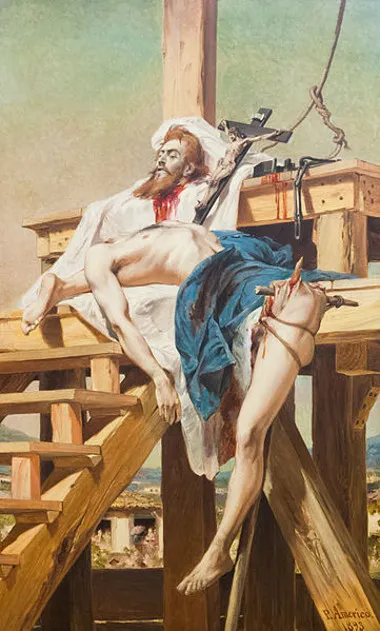
Eventually, three participants in the independence movement revealed the conspirators’ plans to the government, and the rebels were arrested in 1789. Judicial proceedings against the conspirators lasted from 1789 to 1792. Lieutenant Colonel Freire de Andrade, Tiradentes, José Álvares Maciel, and eight others were condemned to the gallows. Seven more were condemned to perpetual banishment in Africa, the rest were acquitted. Following the trial Queen Maria I commuted the sentences of capital punishment to perpetual banishment for all except those whose activities involved aggravated circumstances. That was the case for Tiradentes, who took full responsibility for the conspiracy movement and was imprisoned in Rio de Janeiro, where he was hanged on 21 April 1792. Afterwards, his body was torn into pieces, which were sent to Vila Rica in the captaincy of Minas Gerais, to be displayed in the places where he had propagated his revolutionary ideas. The anniversary of his death is celebrated as a national holiday in Brazil.
“Libertas quæ sera tamen”, means “Freedom albeit late”, and was the motto of the Inconfidência Mineira. It’s written in Minas Gerais Flag, and it applies to the economic revolution we’re living right now with the freedom it’s possible thanks to cryptography. Not gold anymore, Bitcoin, Ethereum, Cryptocurrencies. Money that don’t belong to authorities.
It’s a good time to think in new government designs, think, question, and build the best way of living for everybody with authonomy and freedom, but with logical social organization.
May we never forget.
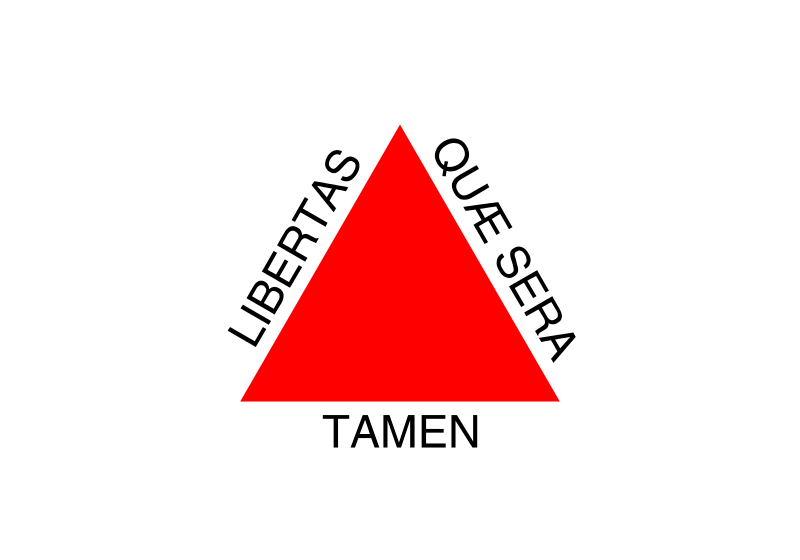
5 units of Libertas Quae Sera Tamen will be avaliable on OpenSea for 0.1 ETH from April 21st until April 28th! Then, the unsold itens will be burn!
 Highke Life